
Products

Proper maintenance of silver nipple covers is essential for ensuring skin health and product longevity during the nursing period. Many new parents wonder how to clean silver nipple covers effectively without damaging the antimicrobial properties of the 925 sterling silver. This guide provides a detailed, step-by-step approach to keeping your nursing cups hygienic and functional for daily use.
Silver is naturally antimicrobial, meaning it helps eliminate bacteria and fungi that can cause infections like mastitis or thrush.
However, milk residue and skin oils can create a thin, invisible film over the surface.This film acts as a barrier, preventing silver ions from interacting directly with your skin.
If you do not clean them regularly, the therapeutic effectiveness of the silver decreases significantly.
Think of silver like a high-performance filter that needs the surface to remain clear to do its job.
You do not need harsh chemicals or expensive solutions to maintain these specialized nursing items.
In fact, heavy detergents or artificial fragrances can irritate sensitive breast tissue and cause further discomfort.
Follow these specific steps for daily maintenance to ensure the best results for your skin:
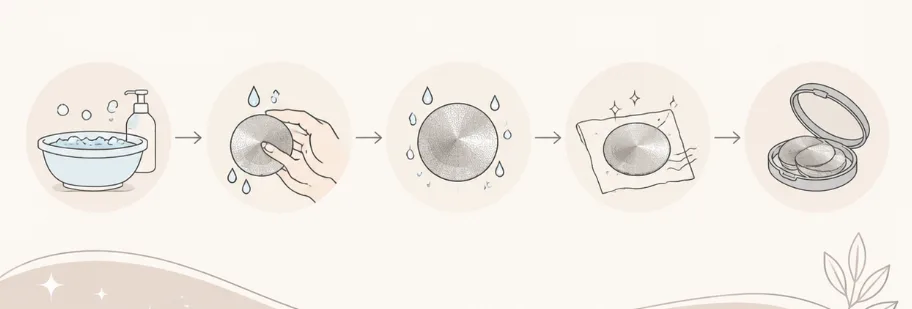
Over time, silver naturally reacts with oxygen and moisture in the air, leading to a dark coating known as tarnish.
Tarnish is a natural oxidation process and is not harmful to you or your baby.However, a heavily tarnished surface can feel rough or look unappealing to the user.
To restore the original shine, create a simple paste using bicarbonate of soda (baking soda) and a few drops of water.Apply the paste to the covers and rub gently in circular motions using a soft cloth.
Rinse the paste off entirely with warm water and dry the silver immediately to prevent water spots.
| Action | Frequency | Method |
|---|---|---|
| Quick Rinse | After every feed | Lukewarm water only |
| Soap Wash | Once daily | pH-neutral soap and fingers |
| Tarnish Removal | Once a month | Baking soda paste |
| Sterilization | Weekly (Optional) | Boiling water for 3 minutes |
How often should I clean my silver nursing cups?
You should rinse them at least once a day to remove biological buildup. If you notice heavy leaking or have a fast let-down, rinsing after every feeding session is recommended to prevent milk from souring.
Can I boil silver nipple covers to sterilize them?
Yes, you can submerge them in boiling water for 3 to 5 minutes for a deep clean. However, this is usually unnecessary for daily care because silver is self-sterilizing by nature. Frequent boiling may also accelerate the tarnishing process.
Is it safe to use white vinegar for cleaning?
Avoid using acidic cleaners like vinegar or lemon juice on your silver covers. These substances can react harshly with the metal and potentially cause skin irritation if the residue is not rinsed away perfectly.
What should I avoid during the cleaning process?
When you master how to clean silver nipple covers, you are also learning how to protect your breastfeeding journey.
A clean silver surface ensures that the natural healing properties are always active and ready.If you experience persistent pain, redness, or signs of infection, consult a lactation consultant.
Proper hygiene reduces the risk of trapped moisture, which is a common cause of nipple soreness.
Keep your covers in a dry, breathable cotton pouch when they are not being worn.This simple storage habit prevents accidental scratches and reduces the rate of atmospheric oxidation.
By following these simple steps, your silver nipple covers will remain a reliable tool for comfort. Learning how to clean silver nipple covers is a small but vital part of postpartum self-care. This routine yields long-term benefits for both mother and baby throughout the entire nursing experience.
Curious about our quality? Request your free samples of nipple covers and sticky bras today. As a dedicated manufacturer, we provide unbeatable factory-direct pricing and service to ensure your brand’s success.

Dsaky
INQUIRY