
Products

Raw material silicone price fluctuations directly impact sticky bra pads costs by altering the manufacturing expenses of the core adhesive layer and the structural padding. Because silicone and thermoplastic polyurethane (TPU) comprise the primary material makeup of these products, any volatility in bulk silicone market prices shifts the unit production cost, directly influencing wholesale pricing and manufacturer profit margins.
The manufacturing cost structure of invisible intimate apparel is highly dependent on polymer chemistry. In products such as silicone bra pads, nipple covers, and adhesive bras, medical-grade or high-purity silicone represents the largest percentage of the bill of materials (BOM). When the global market price of raw silicone fluctuates, manufacturers experience an immediate change in the direct material cost per unit.
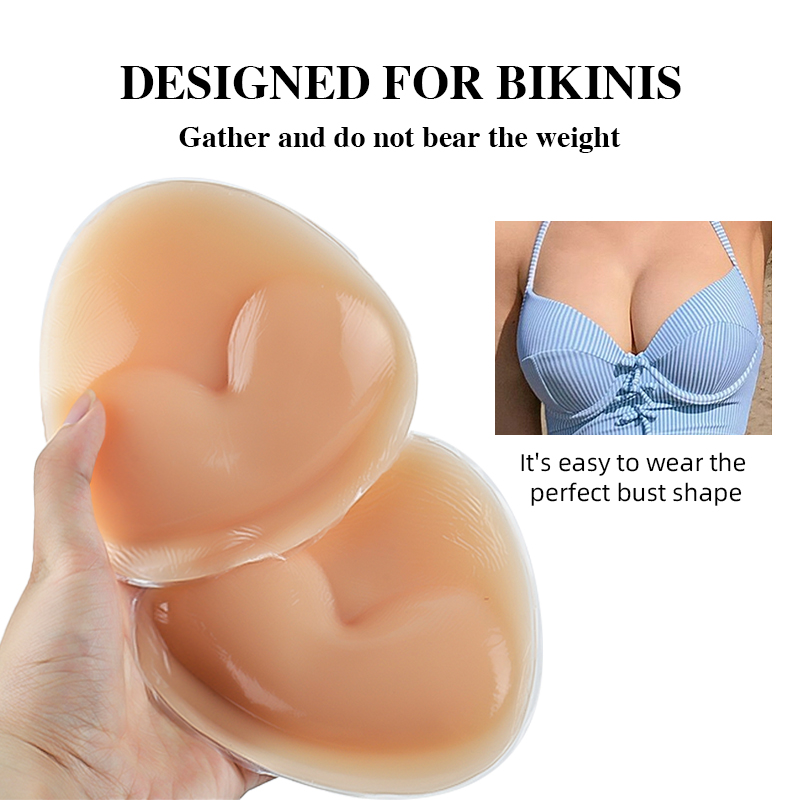
To control these variables, advanced production facilities integrate precise molding and silicone filling machines. These automated systems standardize the weight and volume of silicone injected into each mold, minimizing raw material waste. Compliance with international standards, such as ISO 9001 quality management and raw material safety clearances like RoHS and Reach, requires using consistent, certified silicone grades. This prevents manufacturers from substituting lower-grade polymers to offset rising costs, ensuring that product safety and skin compatibility remain uncompromised.
For instance, in a long-term supply cooperation with a top-selling US Amazon women’s apparel merchant, maintaining stable pricing despite raw material volatility is a key operational requirement. Manufacturers achieve this stability through bulk purchasing agreements, optimized production capacities of up to 1.5 million pieces monthly, and by utilizing high-efficiency adhesive formulations like X3 glue, which optimizes the balance between adhesive volume and long-lasting stickiness.
The following table outlines how different product specifications and shipping/payment structures help manage cost variations associated with raw material fluctuations.
| Product / Operational Parameter | Details & Specifications | Impact of Silicone Price Fluctuations |
|---|---|---|
| Material Composition | Silicone + TPU (M: 10*10*2cm, L: 11*11*2cm) | High sensitivity; larger sizes require more silicone volume, directly increasing material cost. |
| Quality Certifications | ISO 9001, BRC, ISO 10993, RoHS, Reach, BSCI | Maintains strict material standards; limits cost-cutting via cheaper, non-certified alternatives. |
| Shipping Options Offered | EXW, FOB, DDP, DAP (Air, Sea, Express) | Helps offset material cost spikes through optimized bulk sea freight (20GP / 40HQ containers). |
| Payment Flexibility | 30% deposit + 70% balance; deferred payment options | Provides financial buffers for long-term partners to absorb temporary market price peaks. |
How do raw material price increases affect the minimum order quantity (MOQ)?
While raw material costs may shift, the minimum order quantity (MOQ) for standard bikini reusable silicone sticky bra pads often remains flexible, starting as low as 1 piece, though bulk orders receive better unit pricing to offset material overheads.
Are alternative materials used to lower costs when silicone prices rise?
To maintain compliance with ISO 10993 (biocompatibility) and Reach regulations, reputable manufacturers do not substitute certified silicone with unverified industrial polymers. Instead, cost optimization is achieved through manufacturing automation and waste reduction.
Does the adhesive strength (like X3 glue) change with raw material cost savings?
No. Performance technologies such as X3 Upgraded Adhesive Technology maintain strict formulation standards to ensure adhesive stability, secure fit, and washability, regardless of raw material market pricing.
Fluctuations in raw material silicone prices present an ongoing challenge in the intimate apparel supply chain. However, buyers can mitigate these risks by partnering with integrated manufacturing and trading enterprises that possess high monthly production capacities and robust quality control systems. Utilizing flexible shipping methods like sea freight for bulk orders and leveraging structured payment terms helps stabilize procurement budgets. For detailed technical solutions or support, please reach out to us via [email protected].
Dongguan Xinrui Underwear Co., Ltd. is a factory-based supplier established in 2007, specializing in women’s invisible underwear and intimate apparel products. Operating a 10,000 square meter factory with a workforce of 150 employees, the company maintains a monthly production capacity of 1.5 million pieces. Xinrui specializes in OEM/ODM customization, supporting global clients with certified products that meet ISO9001, ISO14001, BSCI, and BRC management system standards. 
Curious about our quality? Request your free samples of nipple covers and sticky bras today. As a dedicated manufacturer, we provide unbeatable factory-direct pricing and service to ensure your brand’s success.

Dsaky
INQUIRY