
Products

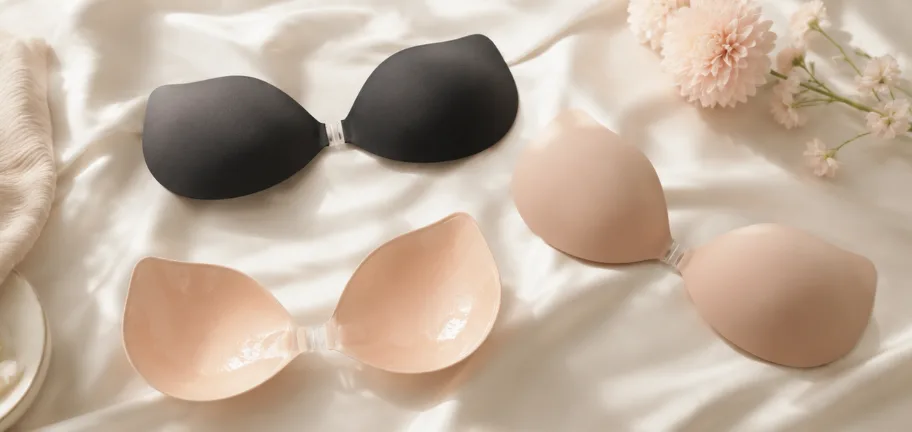
Traditional underwire bras often fail under backless or strapless garments, creating a demand for discrete alternatives. For many users, a push up sticky bra serves as the primary solution to maintain lift without visible straps. However, selecting and applying an adhesive bra involves understanding specific material characteristics and skin dynamics to ensure long-lasting support.
The primary challenge with stick-on support is the loss of adhesion over time. Sweat, skin oils, and ambient humidity disrupt the chemical bond between the adhesive layer and the skin surface. When moisture accumulates beneath the silicone panel, it creates a barrier that lifts the edges of the bra cup.
Choosing medical-grade raw materials remains critical for maintaining a stable bond. High-quality formulations resist moisture breakdown more effectively than lower-grade alternatives. For us, prioritizing certified components like hypoallergenic glue allows the structure to withstand normal body temperature fluctuations without shifting.
A backless bra provides lift by anchoring to the skin and pulling the tissue inward and upward. Unlike traditional styles that rely on shoulder straps for vertical leverage, a push up sticky bra utilizes mechanical tension created by a front clasp. The physics depends entirely on the shear strength of the adhesive.
| Material Feature | Technical Specification | Functional Benefit |
|---|---|---|
| Adhesive Base | Germany Wacker Adhesive | Hypoallergenic, high shear resistance |
| Core Structure | Molded Medical-Grade Silicone | Dimensional stability, natural contouring |
| Structural Design | Integrated Front Clasp | Variable tension control for customizable compression |
The integration of advanced polymer bases ensures that the bra maintains its shape under the weight of the breast tissue. This mechanical stability is especially vital for extended sizing options, where structural stress increases significantly.
Improper application accounts for most failures regarding both lift and longevity. Applying the cups horizontally merely covers the tissue without altering its position. To achieve noticeable elevation, the cups must be placed at a specific angle and pulled together.
[Step 1: Clean Skin] -> [Step 2: Angle Cup at 45°] -> [Step 3: Secure Edge] -> [Step 4: Connect Front Clasp]
Regenerating the adhesive surface requires regular maintenance after every use. Accumulated skin debris compromises the stickiness, but proper washing restores the original surface properties of the polymer layer.
Once completely dry, reapply the original protective plastic film to the adhesive layers. Storing the bra inside its original molded packaging prevents dust accumulation and protects the cups from structural deformation.
Most premium designs utilize medical-grade silicone and hypoallergenic adhesives to minimize skin reactions. However, users with active dermatological conditions or highly sensitive skin should perform a brief patch test before extended wear.
With strict adherence to proper washing and storage protocols, a high-quality adhesive bra typically maintains effective stickiness for up to 50 uses. Avoiding dust contamination remains the most critical factor for extending product lifespans.
If slipping occurs due to sweat buildup, find a dry restroom, remove the cups entirely, and blot both the skin and the adhesive surface with a dry cloth before reapplication. Ensuring the surface is bone-dry before re-sticking your push up sticky bra is the most effective way to regain reliable support during long events.
The care and application advice outlined here is based on general apparel manufacturing standards and material properties. For individuals managing acute skin sensitivities or allergic contact dermatitis, consulting a medical professional or dermatologist prior to use is highly recommended.
Curious about our quality? Request your free samples of nipple covers and sticky bras today. As a dedicated manufacturer, we provide unbeatable factory-direct pricing and service to ensure your brand’s success.

Dsaky
INQUIRY