
Products

Swimming presents a unique challenge for standard lingerie accessories, as water weight and movement often compromise shape and support.
Choosing appropriate waterproof bra inserts for bathing suits involves more than just selecting a size. It requires understanding how materials interact with aquatic environments.
Traditional foam pads often act like sponges. They absorb water and become heavy or misshapen after a few minutes in the pool.
This additional weight can cause swimwear to sag, leading to discomfort and a loss of the desired silhouette during beach activities.
Waterproof inserts are designed specifically to repel moisture. This ensures that the lift and contour remain consistent regardless of how much time is spent submerged.
By focusing on non-absorbent materials, swimmers can maintain their confidence and comfort without constant adjustments or fear of soggy, heavy padding.
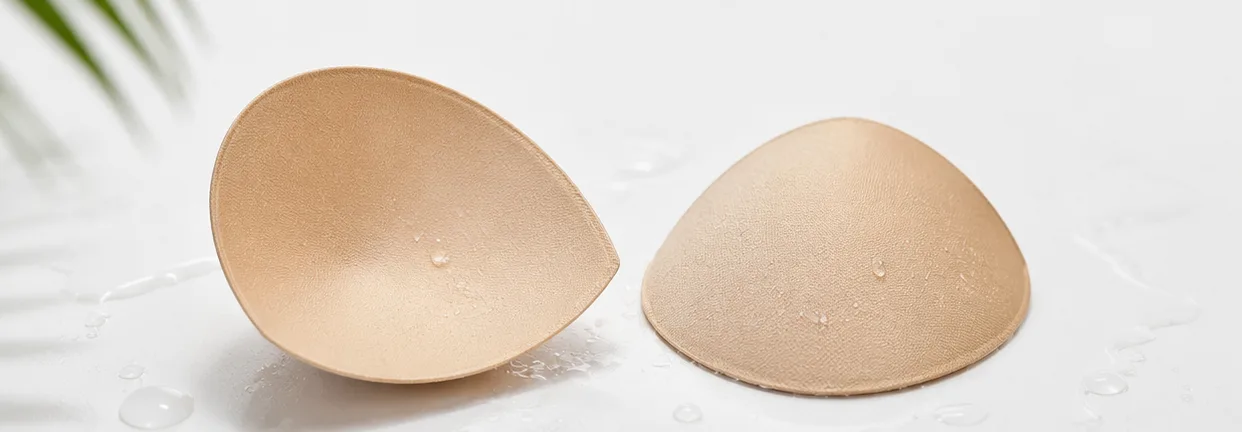
The primary goal of a swim insert is to provide structural support without adding unnecessary bulk that reacts poorly to water.
Most high-quality waterproof bra inserts for bathing suits are crafted from specialized silicone or closed-cell foam that resists water penetration entirely.
Silicone is particularly favored for its ability to mimic the density and movement of natural tissue while remaining completely impervious to liquid.
Unlike open-cell foam found in everyday bras, these materials do not have air pockets that can trap water, chemicals, or salt.
This density is crucial because it allows the insert to maintain its shape under the pressure of deep water or heavy waves.
When a material is truly non-porous, it does not gain weight, which prevents the embarrassing “sagging bikini” effect often seen with cheap padding.
When evaluating performance, silicone inserts often outperform fabric-covered foam alternatives due to their inherent surface tension and weight.
A silicone insert provides a natural-looking lift and remains invisible under thin swimwear fabrics, even when the suit is completely drenched.
Fabric-covered foam inserts, even those labeled as water-resistant, eventually succumb to the pressure of deep water or prolonged soaking.
These can become distorted over time, losing their original curvature and failing to provide the seamless look necessary for high-fashion bikinis.
Dongguan Xinrui Underwear Co., Ltd., a manufacturer with nearly two decades of industry excellence, emphasizes that the longevity of these products depends on material grade.
High-grade medical silicone ensures that the insert remains skin-friendly and hypoallergenic even when trapped against the body in a damp environment.
Quality manufacturers focus on the molecular bond of the silicone to ensure it does not delaminate or leak over hundreds of uses.
Stability is a major concern for those who enjoy surfing, diving, or active beach volleyball during their summer vacations.
Without a secure fit, even the best waterproof bra inserts for bathing suits can shift or slip out of place during sudden movements.
| Insert Type | Best Use Case | Stability Level |
|---|---|---|
| Sewn-in Silicone | Built-in Swimwear | High |
| Adhesive Silicone | Backless/Thin Suits | Medium-High |
| Pocket-inserted Foam | Sporty Tankinis | Medium |
For maximum security, it is often recommended to use inserts within swimwear that features built-in pockets or choosing specific adhesive versions.
Modern adhesive technology allows for a firm grip that withstands the turbulence of waves without irritating the skin or losing its tackiness.
Many athletes prefer the semi-permanent nature of pocketed inserts because they offer a consistent center of gravity while swimming laps.
Chlorine and salt are abrasive elements that can degrade lower-quality plastics and adhesives over a single season of frequent use.
To protect your investment, it is essential to rinse waterproof inserts in fresh water immediately after every use to remove chemical residues.
Avoid using harsh detergents or scrubbing tools that might puncture the silicone skin or strip the adhesive layer from the back.
A mild, pH-balanced soap and air-drying in a shaded area will prevent the material from becoming brittle or yellowing prematurely.
Proper storage is just as important as cleaning, as silicone can attract dust and lint if left exposed on a counter.
Keeping them in a dedicated container ensures the edges do not get crimped, which would create visible lines under tight swimwear.
Will waterproof inserts make my swimsuit feel heavy?
If they are truly waterproof, they will not absorb water. The weight remains constant from the moment you put them on until you finish.
Can I move them between different swimsuits?
Yes, most non-adhesive inserts are designed to be swapped between suits that have internal pockets, making them a versatile addition to any wardrobe.
How do I choose the right size for a bikini?
It is usually best to choose an insert that is one size smaller than your actual cup size to ensure it fits the suit.
Are these inserts visible through white or light-colored fabrics?
Premium silicone is designed with tapered edges and a matte finish to blend seamlessly with your natural curves, even under thin materials.
Can I wear them in a sauna or hot tub?
Most medical-grade silicone can withstand high temperatures, but it is always best to check the manufacturer guidelines for specific heat limits.
Finding the right waterproof bra inserts for bathing suits can significantly improve the longevity and appearance of your favorite swimwear pieces.
By selecting materials that prioritize water resistance and structural integrity, you ensure a reliable fit that lasts through countless beach days and pool sessions.
The cleaning advice provided in this article is based on general material care knowledge and is for reference only. For any questions, please consult a professional.
Curious about our quality? Request your free samples of nipple covers and sticky bras today. As a dedicated manufacturer, we provide unbeatable factory-direct pricing and service to ensure your brand’s success.

Dsaky
INQUIRY