
Products

Anyone who has peeled off a cheap adhesive cover after a long day knows the sting that follows. Red patches, itching, sometimes tiny blisters near the areola. That reaction usually traces back to one thing: the adhesive itself. Hypoallergenic nipple covers exist precisely to solve this problem, using materials screened to reduce the chance of allergic response on one of the most sensitive skin areas on the body. This guide breaks down what actually makes a cover “hypoallergenic,” why irritation happens in the first place, and how to pick a pair that won’t leave marks by evening.
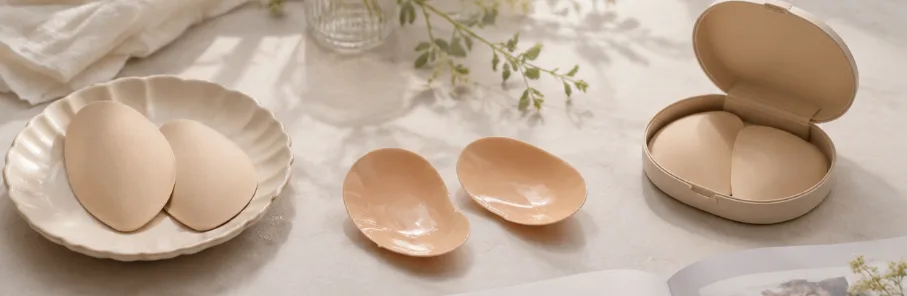
A cover earns the hypoallergenic label when its adhesive and surface material are formulated to minimize common allergen triggers, things like latex proteins, certain synthetic resins, or harsh solvent residues. Medical-grade silicone is the most common base material, chosen because it’s chemically inert and doesn’t react with sweat or oil in the way some plastics do.
The adhesive layer matters just as much as the cover material. A well-known example is Wacker silicone adhesive from Germany, widely used in medical-grade skin adhesives because of its low sensitization profile compared to acrylic-based glues.
Irritation usually comes from one of three sources: adhesive chemistry, moisture buildup, or friction from repeated removal. Cheaper covers often use acrylic adhesives that bond aggressively to skin cells rather than sitting on the surface, which tears at the outer skin layer when peeled off.
Humidity plays a role too. If the cover material can’t allow any vapor exchange, sweat pools underneath and softens the skin, making it more prone to redness. This is why breathable silicone with a controlled adhesive strength tends to outperform vinyl or generic foam-backed alternatives.
For sensitive skin, silicone generally holds up better over repeated wear. Fabric covers rely on adhesive strips sewn or bonded to cloth, and that bonding process sometimes introduces glue types not intended for direct, prolonged skin contact.
| Material | Reusability | Common Adhesive Risk | Breathability |
|---|---|---|---|
| Medical-grade silicone | High (washable) | Low, if hypoallergenic-rated | Moderate |
| Fabric with adhesive strip | Low to moderate | Higher, variable glue quality | Higher |
| TPU-based cover | High | Low to moderate | Low to moderate |
Silicone covers also tend to be reusable dozens of times if cleaned properly, which reduces how often the adhesive contacts skin, a factor that itself lowers irritation risk over weeks of use.
Most manufacturers recommend a maximum of 6 to 8 hours per wear, though this varies with skin type and climate. There isn’t a universal medical standard here, so it’s worth treating packaging instructions as the primary guide rather than general online advice.
Extended wear in hot, humid conditions raises the risk of clogged pores or mild folliculitis, not because the cover itself is unsafe, but because trapped moisture changes the skin environment. Removing covers at the end of the day and letting skin breathe overnight is a reasonable baseline practice.
Retail pricing typically ranges from a few dollars for basic fabric versions to higher price points for reusable medical-grade silicone sets, though exact figures shift by brand, region, and retailer promotions. Bulk or wholesale pricing for businesses sourcing in volume follows a separate structure entirely, often tied to material grade and order quantity.
Since pricing fluctuates with material sourcing costs and currency shifts, checking current supplier or retailer listings is more reliable than relying on a fixed number.
A few practical checks help narrow down options before purchase:
Do hypoallergenic nipple covers still cause reactions?
Rarely, but not never. No adhesive is universally reaction-free, since individual skin sensitivities vary. Hypoallergenic simply means the formulation avoids the most common known irritants.
Can I wear nipple covers every day?
Occasional daily use is generally fine for silicone versions if skin is allowed to rest periodically, though continuous multi-week wear without breaks isn’t well documented in terms of long-term skin effects.
For manufacturers and brands developing their own line, sourcing consistency matters as much as the formula itself. Our production work centers on plus-size silicone bra solutions and adhesive lingerie, including hypoallergenic nipple covers built with certified medical-grade silicone and Wacker adhesive, tested for durability and adhesive strength before they reach a partner’s shelf. Getting the material science right at the manufacturing stage is what ultimately determines whether a cover feels safe on skin for hours, not just minutes.
Curious about our quality? Request your free samples of nipple covers and sticky bras today. As a dedicated manufacturer, we provide unbeatable factory-direct pricing and service to ensure your brand’s success.

Dsaky
INQUIRY