
Products

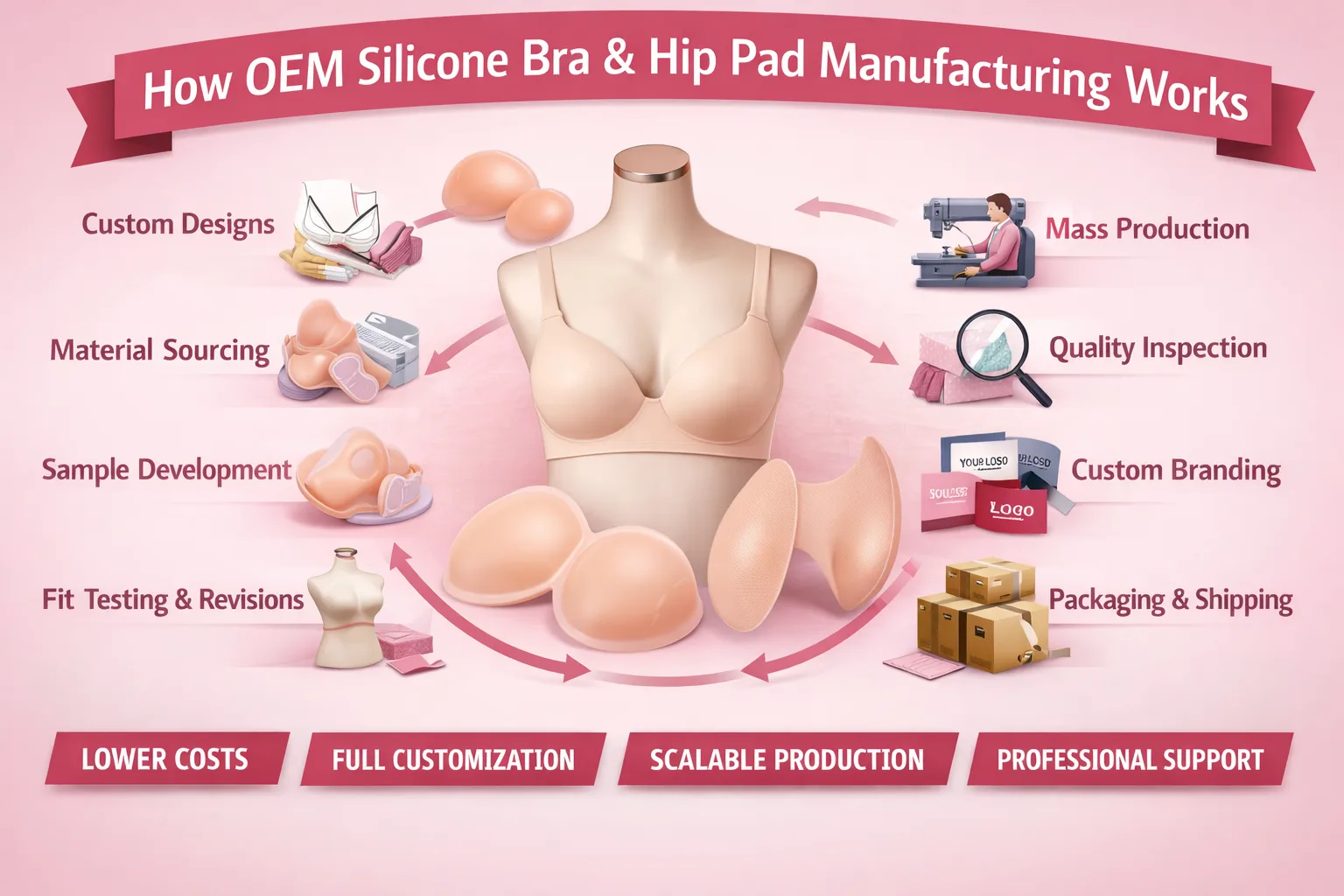
OEM bra manufacturing is one of the most efficient ways for lingerie brands to bring custom bra collections to market without building their own factory. Whether you are a startup, private label brand, or established wholesaler, understanding how OEM bra manufacturing works can help you control quality, reduce risks, and scale faster.
In this guide, we explain the full OEM bra manufacturing process step by step, from idea development to mass production.
OEM bra manufacturing means a factory produces bras based on a buyer’s design, specifications, branding, and requirements. In this model, the brand owns the product concept, while the manufacturer handles sampling, sourcing, production, and often packaging.
This approach is popular among lingerie businesses because it allows them to create unique products without investing in machinery, technical teams, or production facilities.
Many buyers confuse OEM and ODM. The difference is simple:
If your goal is to build a distinctive lingerie line, OEM bra manufacturing offers more flexibility and brand control.
There are several reasons why brands prefer OEM manufacturing for bras:
You can create bras based on your target market, including style, support level, cup shape, fabric, trims, and fit.
You do not need to operate your own factory or hire a production team.
Experienced OEM bra manufacturers already have supply chains, machinery, and technicians in place.
You can start with smaller trial orders and expand as your brand grows.
Reliable manufacturers can help refine your design, improve fit, and optimize production efficiency.
The first step in OEM bra manufacturing is preparing clear product requirements. A manufacturer can only produce accurately when your specifications are detailed.
Important details include:
At this stage, many brands prepare a tech pack or reference sample to communicate their vision clearly.
After defining the product concept, you send the factory your design materials. This can include:
A professional OEM bra manufacturer will review these materials and evaluate technical feasibility, construction details, and possible improvements.
The clearer your documentation, the smoother the development process will be.
Bra production depends heavily on material quality and trim compatibility. Once the design is confirmed, the manufacturer sources suitable materials.
Common bra materials and components include:
This step is critical because fabric stretch, recovery, softness, and durability directly affect bra comfort and performance.
In OEM bra manufacturing, the factory may source materials based on your nominated suppliers or recommend options from its own network.
Once materials are selected, the factory creates patterns for the bra. Pattern making is one of the most important steps because bra construction is highly technical.
This stage includes:
A skilled OEM bra manufacturer will focus not only on appearance but also on function. Bras must provide lift, comfort, symmetry, and stability across different sizes.
After pattern development, the manufacturer creates the first sample. This sample is used to test how the design performs in real form.
The purpose of sampling is to evaluate:
Sampling often requires revisions. This is normal in OEM bra manufacturing, especially for new products with custom sizing or unique design features.
Once the sample is ready, the buyer reviews it and gives feedback. This step may involve checking the bra on mannequins, fit models, or real wear testers.
Common revisions include:
Good OEM bra manufacturers treat this stage as collaboration. The goal is to perfect the product before bulk production begins.
Before mass production starts, the factory usually prepares a pre-production sample. This version reflects the final approved materials, measurements, workmanship, and branding details.
This sample acts as the benchmark for the entire order.
At this stage, buyers confirm:
Approving the pre-production sample helps reduce mistakes during bulk manufacturing.
After final approval, the factory arranges production scheduling. This includes:
In OEM bra manufacturing, production planning matters because bras involve many small components and precision sewing processes. Poor planning can delay timelines or affect consistency.
During mass production, the factory manufactures the bras according to the approved standard.
Typical production stages include:
Experienced OEM bra manufacturers maintain process controls at every stage to ensure each batch meets brand expectations.
Quality control is essential in lingerie production because small defects can affect comfort, support, and customer satisfaction.
A proper inspection process checks:
For OEM bra manufacturing, quality control should happen both during production and before shipment. This reduces defective rates and protects your brand reputation.
Once the bras pass inspection, they move to final packaging. Depending on your brand needs, the factory may provide:
This step is especially important for e-commerce and retail brands that want a polished and consistent customer experience.
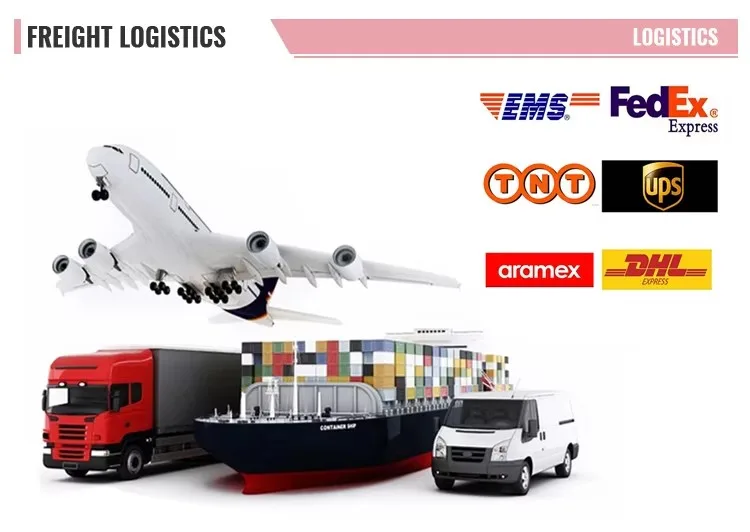
The final step in OEM bra manufacturing is shipment. Depending on order size, urgency, and destination, products can be shipped by air, sea, rail, or courier.
Before dispatch, buyers should confirm:
A reliable bra manufacturer will help coordinate logistics and keep communication clear until delivery is completed.
Although OEM manufacturing offers many benefits, brands should also understand the common challenges:
Bra sizing is more technical than many apparel categories. Cup and band balance must be accurate.
Different fabrics and trims behave differently in production and wear.
Multiple sample rounds may be needed before final approval.
A bra that fits well in one size may need careful grading to work across a full size range.
Unclear instructions can cause delays, errors, or extra costs.
Working with an experienced OEM bra manufacturer helps reduce these risks.
Selecting the right factory is a major decision. Look for a partner with:
Ask for samples, production references, and clear process explanations before placing a large order.
To improve results, follow these best practices:
The more detailed your preparation, the more efficient the OEM process will be.
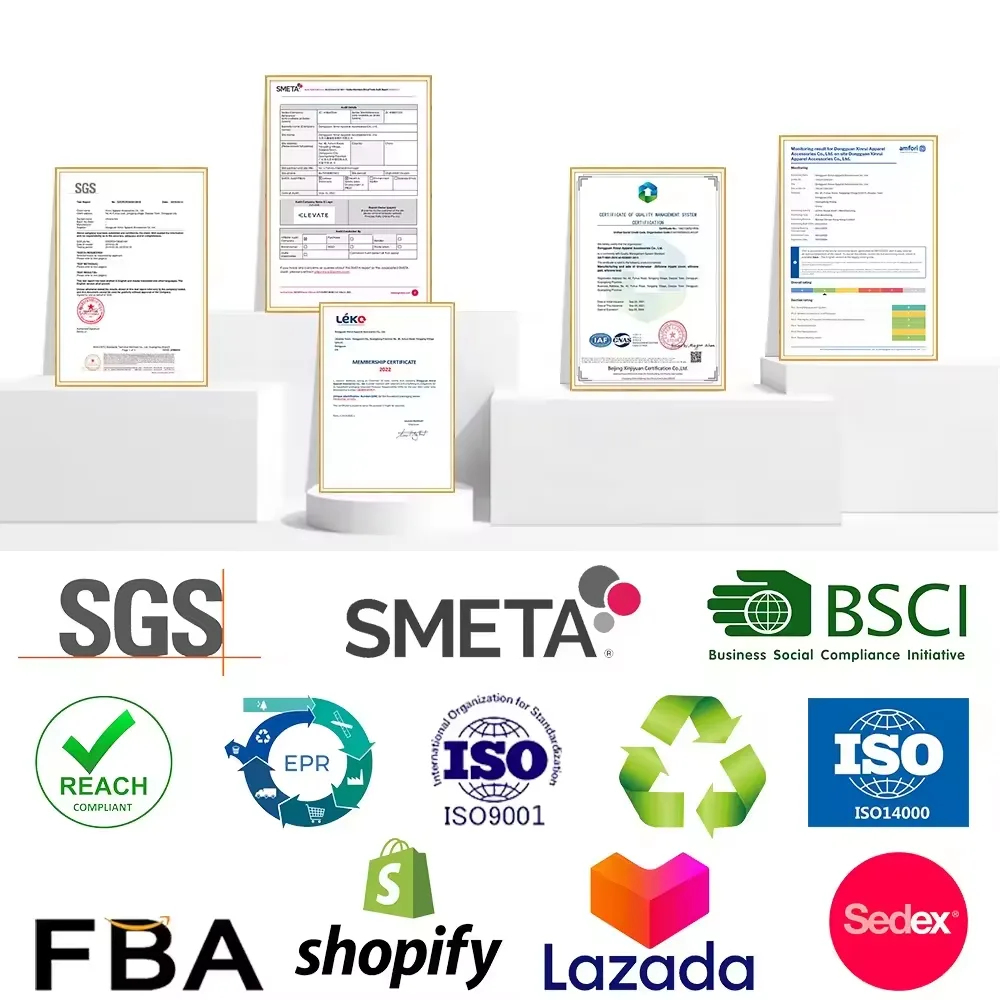
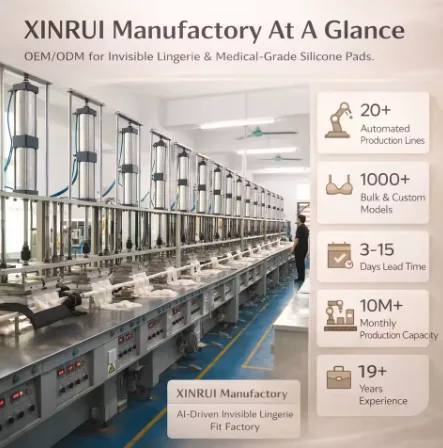
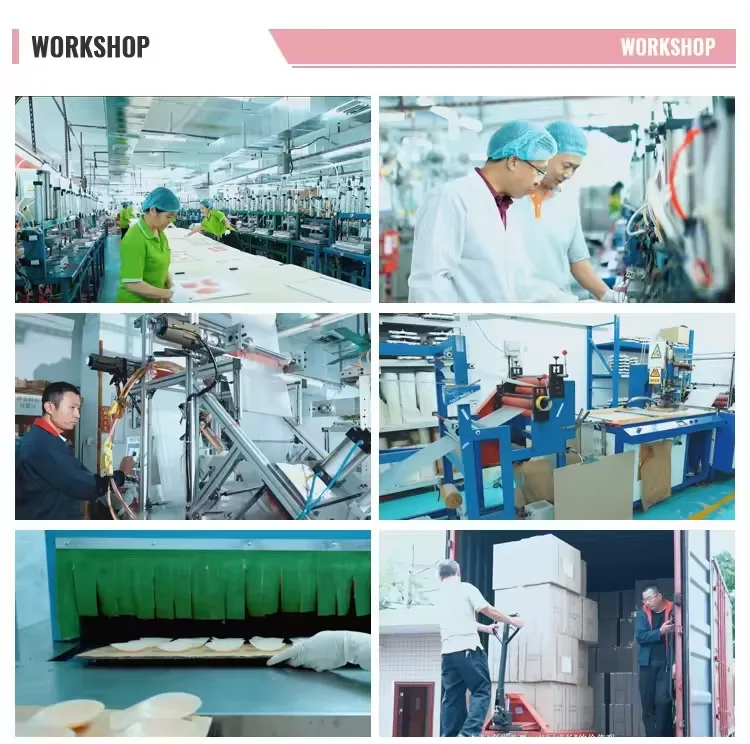
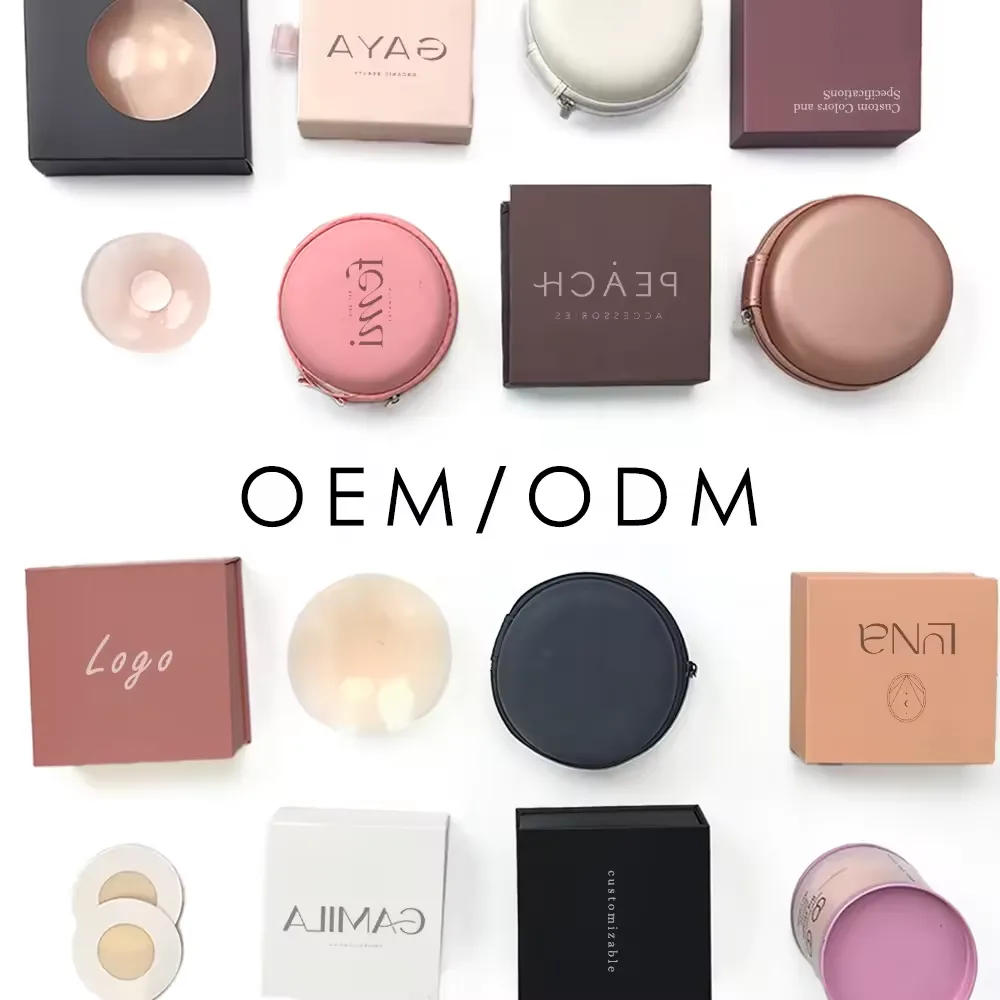
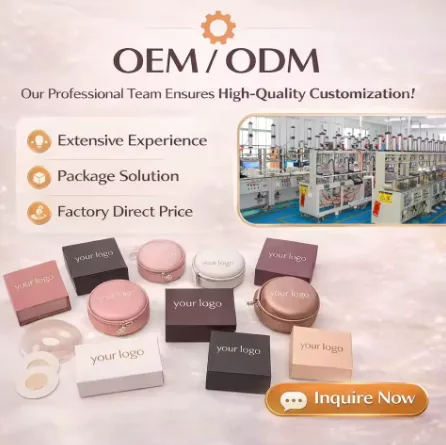
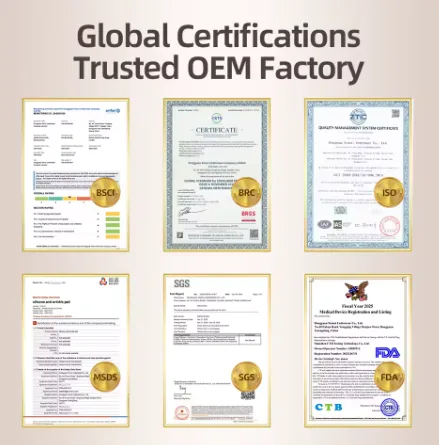
Xinrui is a trusted OEM factory specializing in silicone bras, silicone nipple covers, big bust silicone bras, and silicone hip pads, with the ability to support brands from concept to final shipment. We provide custom design support, sample development, material selection, fit adjustment, private label branding, strict quality inspection, scalable mass production, flexible OEM customization, and packaging solutions, helping clients create competitive products with consistent quality and efficient delivery. By choosing Xinrui, brands can benefit from factory-direct pricing, professional technical support, dependable production capacity, and a complete one-stop OEM manufacturing service tailored to market needs.
OEM bra manufacturing gives lingerie brands a practical way to develop custom products with professional production support. From design submission and material sourcing to sampling, bulk production, and shipping, every stage plays a role in product quality and market success.
If you want to build a strong lingerie brand, understanding the OEM bra manufacturing process helps you make better decisions, avoid common mistakes, and create products your customers will trust.
Choosing the right manufacturing partner is the foundation of that success.
OEM bra manufacturing means a factory produces bras based on a buyer’s custom design, specifications, and branding.
OEM is better for brands that want unique products and stronger brand identity. ODM is faster if you want to use ready-made factory designs.
You typically need design references, size information, material preferences, branding requirements, and packaging details.
The timeline depends on sampling complexity, material sourcing, order quantity, and shipping method.
Yes. Many manufacturers support startups and growing brands, especially if they offer flexible MOQ options.
Curious about our quality? Request your free samples of nipple covers and sticky bras today. As a dedicated manufacturer, we provide unbeatable factory-direct pricing and service to ensure your brand’s success.

Dsaky
INQUIRY