
Products

Sewing bra cups directly into a dress bodice changes how the garment functions. It eliminates the need for specialized undergarments when wearing backless, strapless, or deeply plunging necklines. Understanding sew in bra inserts for dresses requires looking at foam densities, shaping structures, and attachment methods. This isn’t just about padding. It is about structural support built directly into the fabric architecture.
Traditional bras rely on a band and shoulder straps to distribute weight and tension. When a dress design removes those anchor points, the garment itself must take over the mechanical load.
A standalone strapless bra often shifts. Adhesive cups struggle with moisture and movement. Sewing inserts into the lining anchors the support structure to the dress seams. This integration means the cups stay exactly where the designer intended, moving with the garment rather than shifting against it.
The inserts distribute tension across the bodice lining. They provide shape consistency, preventing soft fabrics from collapsing around the bust.
The material dictates the cup’s behavior, breathability, and structure. Not all foam behaves the same way under tension or heat.
Most standard inserts use polyurethane foam. It is lightweight and molds easily under heat. This foam offers decent shape retention but can degrade over time with frequent washing. Polyurethane traps some heat, which might be a consideration for summer wear or dense fabrics.
Spacer fabric is a 3D knitted textile. Two outer layers connect via a microfilament network, creating an air gap in the middle.
It provides a natural shape rather than rigid enhancement. It works best for lightweight, flowy dresses where heavy padding would disrupt the drape.
Silicone inserts mimic the weight and density of natural tissue. They provide significant enhancement and a seamless look under thin materials.
The trade-off is weight. Silicone is heavy. If sewn into a lightweight silk slip dress, the weight of the cups will distort the neckline. These inserts require a highly structured bodice, often with boning, to support the added mass. They also lack breathability.
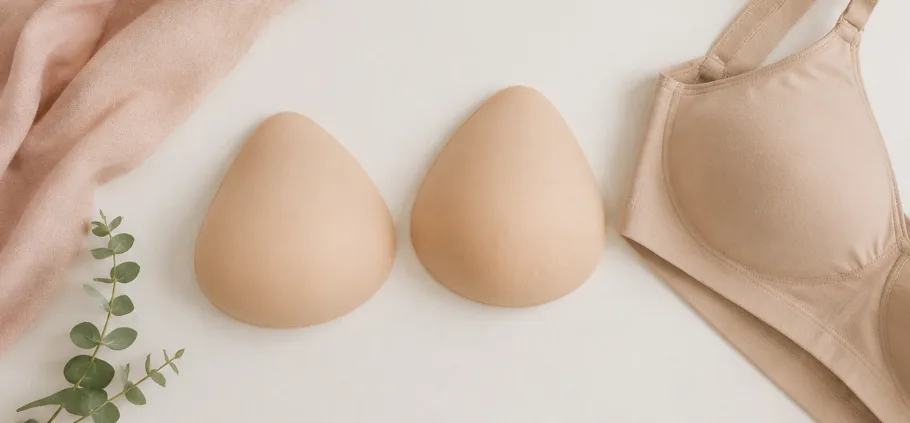
Note: Material suitability depends on the outer dress fabric and the required level of support.
Matching the insert to both the wearer and the garment is critical. A mismatch causes buckling, visible ridges, or inadequate coverage.
Do not simply match your standard bra size. The insert must fit the space available within the dress lining. A cup that is too large will fold at the edges, creating visible lumps. A cup that is too small will float loosely, failing to provide shaping.
Measure the distance across the apex of the bust line on the dress itself. Compare this measurement to the width of the insert. The edges of the cup should ideally align with existing structural seams, such as princess seams or side seams.
How the cup attaches determines its effectiveness. Improper stitching alters the exterior drape of the dress.
Never stitch through to the outer layer of the dress. All attachment happens on the interior lining or the facing.
Pin the cups in place while wearing the dress. Gravity changes the bust position. Pinning on a dress form or flat table often results in cups placed too high. Ensure the apex of the cup aligns perfectly with the apex of the bust.
Hand sewing provides the most control. Use a catch stitch or a whip stitch around the perimeter.
Machine stitching is faster but riskier. It requires a specialized foot to compress the foam edge without snagging the lining. It is generally only recommended if the cups are being sewn into a separate foundation layer before the dress is fully constructed.
If the top edge of the cup creates a visible ridge under the dress fabric, the foam is likely too thick for the material. You can carefully grade (trim on a bevel) the top edge of the polyurethane foam to create a softer transition. Do not cut the fabric binding, only the foam interior.
Garments with integrated support require different handling than standard clothing.
The foam structural integrity degrades with high heat and harsh agitation. Dry cleaning chemicals can break down certain adhesives used in foam manufacturing. Always check the care instructions for both the dress fabric and the specific type of sew in bra inserts for dresses used. Hand washing and flat drying preserve the shape longest.
The technical recommendations provided in this guide are based on standard garment construction principles and are for reference only. For complex alterations, particularly involving delicate fabrics or extensive restructuring, consulting a professional tailor is advised.
Curious about our quality? Request your free samples of nipple covers and sticky bras today. As a dedicated manufacturer, we provide unbeatable factory-direct pricing and service to ensure your brand’s success.

Dsaky
INQUIRY